
 admin
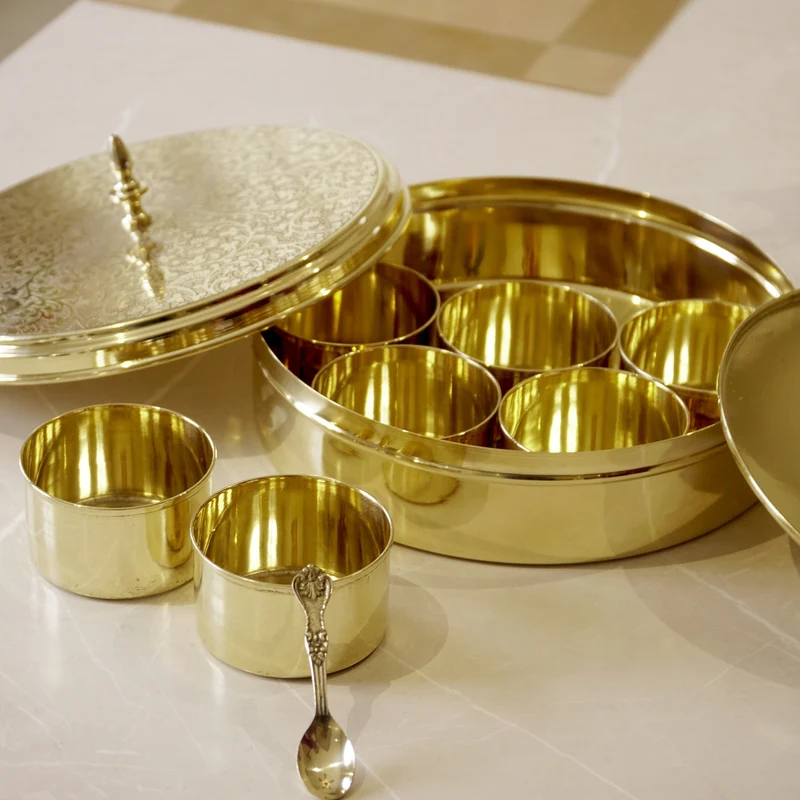
Pital, the Hindi word for brass, has been part of Indian homes for centuries. It shows up in temple lamps, festival diyas, cooking vessels, and decorative pieces passed down through families. Demand for brass has grown again as buyers move away from plastic and look for durable, traditional alternatives. This guide covers which pital products are most popular, how to tell genuine brass from cheap imitations, and how to look after what you buy.
What is pital, and why do people still buy it?
Brass is an alloy of copper and zinc. Its warm golden colour, strength, and long life are why it has been used for utensils and ritual items for generations. Many buyers value it for the craftsmanship, the heritage, and the fact that a good piece lasts decades.
The most popular pital products in India
The “best” pital product depends on what you need. These categories sell most consistently:
1. Pooja items. Diyas, bells (ghanti), aarti plates, incense holders, and small idols are the most common brass purchases. They are used daily and come out in bulk during Diwali and other festivals.
2. Cookware and serving ware. Handis, kadais, serving bowls, and thalis made from brass are still made by artisans across India. Cooking in brass needs care, because it should be tin-coated (kalai) on the inside to prevent a reaction with acidic food.
3. Water and storage vessels. Brass pots (matka and lota styles) are widely used for water storage and serving. Copper vessels are the more common choice for water, but brass versions remain popular.
4. Home décor. Lamps, urlis, wall hangings, and figurines are bought both for tradition and as gifts.
5. Gifting sets. Brass diya sets and thali sets are popular for weddings and housewarmings.
How to tell real pital from a fake
Brass is heavily imitated, so check these things before you buy:
- Weight. Genuine brass feels heavy for its size. A suspiciously light piece may be plated or made from a cheaper metal.
- The magnet test. Brass is not magnetic. If a magnet sticks firmly, the item is likely iron or steel with a coating.
- Colour and scratch test. Scratch an inconspicuous spot. Real brass shows a consistent golden colour underneath, while plated pieces reveal a different metal.
- Finish and detailing. Handmade pieces show fine tool marks and small natural variations. Perfectly uniform surfaces often point to machine production, which is fine for some products but less valuable as a craft item.
- The seller’s transparency. A good seller states the material, weight, and dimensions clearly, and explains returns and shipping.
Handmade versus machine-made brass
Machine-made brass is cheaper and consistent. Handmade brass costs more, but the surface is richer, the rims and handles are usually sturdier, and each piece is slightly unique. Several Indian craft clusters, including Moradabad, Jaipur, and parts of Tamil Nadu and Kerala, are known for traditional brass work, and buying from independent makers helps keep those crafts alive.
New brands such as Clayfeast sell handcrafted brass, copper, clay, and bronze utensils and ship worldwide. Buyers outside India can now reach products that were once available mainly in local markets.
How to care for pital products
Brass tarnishes naturally. It is harmless, and it is easy to manage:
- Wash after use with mild soap and warm water, then dry completely.
- Restore shine by rubbing with lemon and salt, tamarind paste, or a commercial brass cleaner, then rinse and dry.
- Avoid harsh scrubbers on engraved or hand-finished surfaces.
- For cookware, make sure the interior is tin-coated, and re-tin it when the coating wears off.
- Store dry. Moisture speeds up tarnishing.
A note on health claims
Traditional systems such as Ayurveda attribute benefits to brass utensils. Modern scientific evidence for specific health benefits is limited, so it is sensible to buy brass for its durability, tradition, and craftsmanship rather than for medical reasons. Avoid storing sour or acidic food in untinned brass for long periods.
What to check before buying online
- A clear material description and weight.
- Real photos from several angles, not just studio renders.
- A transparent return policy.
- Shipping details, especially for international orders, where customs duties may apply.
- Genuine reviews rather than a handful of identical five-star comments.
The bottom line
There is no single “best” pital product for everyone. For daily worship, a well-made diya set or aarti plate is the best value. For the kitchen, tin-coated serving ware is the practical choice. For gifting, a hand-finished brass set carries the most meaning. Whatever you choose, prioritise genuine material, sound craftsmanship, and a seller who is open about what they are selling.