
 admin
admin
Title: Technology in India Enters a Transformative Era Driven by Innovation, AI Expansion, and Digital Connectivity
India’s technology landscape is rapidly evolving, marking a significant shift in how industries operate, how people interact, and how the economy grows. Over the past decade, the country has made remarkable progress in building a strong digital foundation. Today, this progress is translating into widespread innovation, increased adoption of advanced tools, and a growing influence on the global stage.
One of the most notable developments in recent times is the rise of artificial intelligence and its integration into everyday operations. From customer service chatbots to advanced data analysis systems, AI is helping organizations improve efficiency and make smarter decisions. Businesses are leveraging these tools to understand consumer behavior, optimize processes, and enhance productivity. This transformation is not limited to large corporations; small and medium enterprises are also beginning to adopt AI-driven solutions to remain competitive.
The expansion of internet connectivity has played a crucial role in driving technological growth. With more affordable data plans and improved network infrastructure, millions of people now have access to online services. This increased connectivity has opened new opportunities for education, healthcare, and e-commerce. It has also enabled remote work and digital collaboration, which have become essential in today’s fast-paced environment.
Another important trend is the growth of the startup ecosystem in the technology sector. Entrepreneurs across the country are developing innovative solutions to address real-world challenges. These startups are working in diverse areas such as financial technology, health technology, agricultural technology, and educational platforms. With access to funding, mentorship, and a supportive ecosystem, many of these ventures are scaling rapidly and gaining international recognition.
Cloud computing is another area experiencing significant growth. Organizations are moving their operations to cloud-based platforms to improve flexibility, scalability, and cost efficiency. This shift allows businesses to store and access data securely while reducing the need for physical infrastructure. As a result, companies can focus more on innovation and less on managing complex systems.
Cybersecurity has become a major concern as digital adoption increases. With more data being stored and shared online, the risk of cyber threats has also grown. Organizations are investing in advanced security measures to protect sensitive information and maintain user trust. Awareness about online safety is also increasing among individuals, encouraging responsible digital behavior.
The role of government initiatives in promoting technology adoption cannot be overlooked. Various programs aimed at digitization, innovation, and skill development are helping create a favorable environment for growth. These initiatives are encouraging businesses to embrace new technologies and invest in research and development. They are also supporting the development of infrastructure needed to sustain long-term progress.
Education is undergoing a transformation with the integration of technology. Online learning platforms, virtual classrooms, and digital resources are making education more accessible and flexible. Students can now learn from anywhere, access a wide range of materials, and develop skills that are relevant to the modern workforce. This shift is particularly beneficial for individuals in remote areas, where access to quality education has traditionally been limited.
Healthcare is another sector benefiting from technological advancements. Telemedicine, digital health records, and wearable devices are improving the quality and accessibility of medical services. Patients can consult doctors remotely, monitor their health in real time, and receive timely treatment. These innovations are helping bridge the gap between urban and rural healthcare facilities.
The rise of smart devices and the Internet of Things (IoT) is changing the way people interact with their surroundings. From smart homes to connected vehicles, these technologies are enhancing convenience and efficiency. Devices can communicate with each other, automate tasks, and provide valuable insights. This interconnected ecosystem is expected to grow further, creating new opportunities for innovation.
E-commerce continues to expand as more consumers prefer online shopping. The convenience of browsing products, comparing prices, and receiving deliveries at home has made digital marketplaces increasingly popular. Businesses are investing in user-friendly platforms, secure payment systems, and efficient logistics to meet customer expectations. This growth is also supporting small sellers by providing them with access to a wider audience.
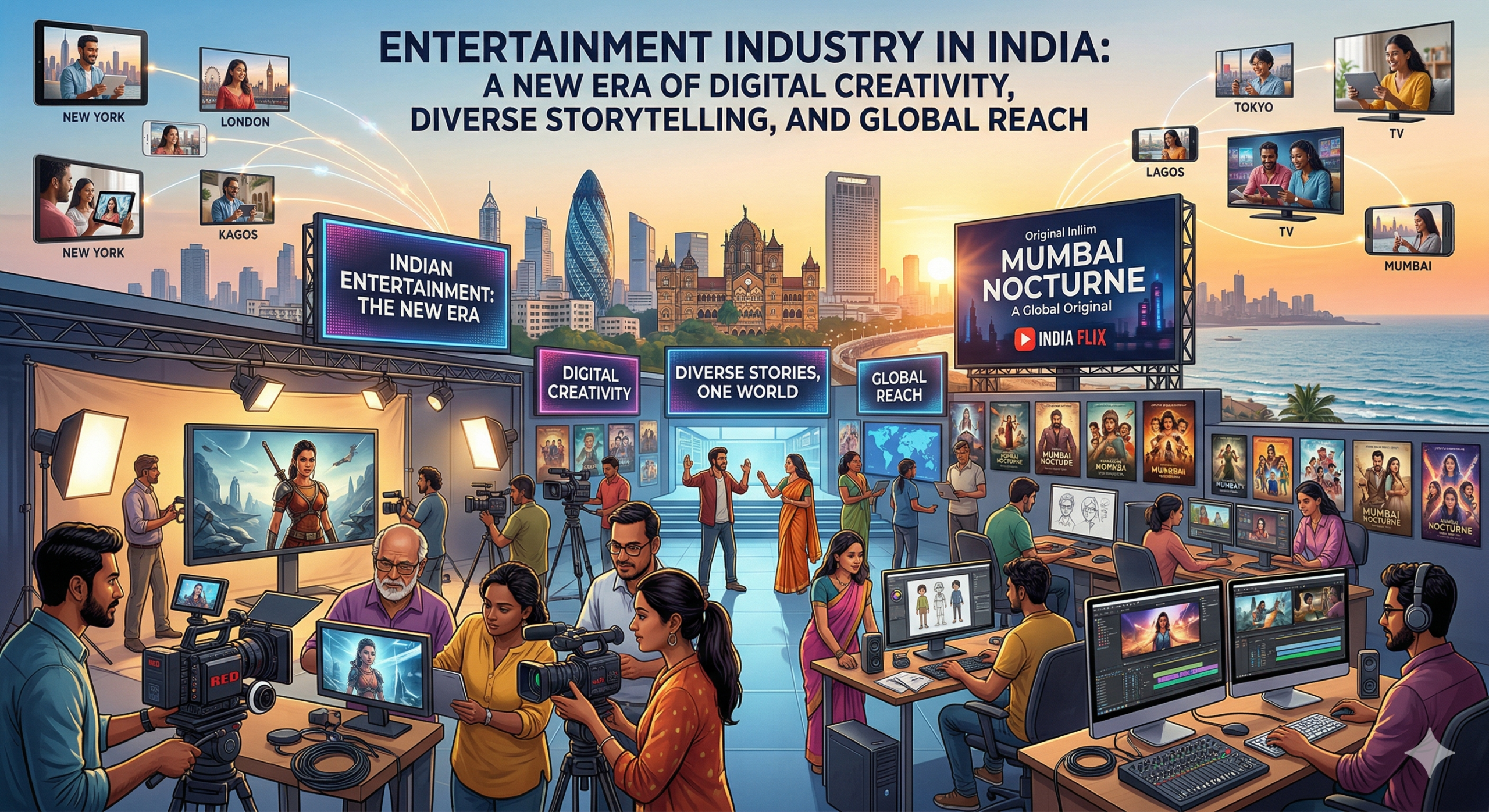
The gaming and entertainment industry is also witnessing rapid growth due to technological advancements. High-speed internet, powerful devices, and immersive experiences are attracting a large number of users. This sector is not only providing entertainment but also creating opportunities in areas such as content creation, game development, and digital marketing.
Sustainability is becoming an important focus in the technology sector. Companies are exploring ways to reduce their environmental impact by adopting energy-efficient solutions and promoting responsible usage of resources. Innovations in renewable energy, waste management, and green computing are contributing to a more sustainable future.
The workforce is adapting to the changing technological landscape by acquiring new skills. There is a growing demand for professionals with expertise in areas such as data science, cybersecurity, and software development. Training programs, online courses, and industry collaborations are helping individuals stay relevant in a competitive job market. Continuous learning has become essential for career growth in the digital age.
Despite the progress, challenges remain. Issues such as data privacy, digital divide, and regulatory complexities need to be addressed to ensure balanced growth. Bridging the gap between urban and rural areas, ensuring equitable access to technology, and maintaining ethical standards are critical for sustainable development.
Innovation hubs and research centers are playing a key role in driving technological advancements. Collaboration between academia, industry, and government is fostering a culture of innovation. These partnerships are leading to the development of new solutions and the commercialization of ideas, contributing to economic growth.
Global collaboration is also influencing the technology sector. Partnerships with international organizations and companies are enabling knowledge exchange and access to advanced technologies. This integration with the global ecosystem is helping India strengthen its position as a major player in the digital world.
Consumer expectations are evolving as technology becomes more integrated into daily life. People are looking for faster, more efficient, and personalized experiences. Businesses are responding by leveraging data and analytics to understand user preferences and deliver tailored solutions. This customer-centric approach is becoming a key factor in achieving success.
Looking ahead, the future of technology in India appears promising. The continued focus on innovation, infrastructure development, and skill enhancement is expected to drive further growth. Emerging technologies such as artificial intelligence, blockchain, and quantum computing have the potential to transform industries and create new opportunities.
In conclusion, India’s technology sector is entering a new phase of growth and transformation. The combination of innovation, digital connectivity, and a skilled workforce is creating a strong foundation for the future. While challenges remain, the overall trajectory is positive. With sustained efforts and a commitment to progress, the country is well-positioned to become a global leader in technology and innovation.
Title: Technology in India Enters a Transformative Era Driven by Innovation, AI Expansion, and Digital Connectivity
India’s technology landscape is rapidly evolving, marking a significant shift in how industries operate, how people interact, and how the economy grows. Over the past decade, the country has made remarkable progress in building a strong digital foundation. Today, this progress is translating into widespread innovation, increased adoption of advanced tools, and a growing influence on the global stage.
One of the most notable developments in recent times is the rise of artificial intelligence and its integration into everyday operations. From customer service chatbots to advanced data analysis systems, AI is helping organizations improve efficiency and make smarter decisions. Businesses are leveraging these tools to understand consumer behavior, optimize processes, and enhance productivity. This transformation is not limited to large corporations; small and medium enterprises are also beginning to adopt AI-driven solutions to remain competitive.
The expansion of internet connectivity has played a crucial role in driving technological growth. With more affordable data plans and improved network infrastructure, millions of people now have access to online services. This increased connectivity has opened new opportunities for education, healthcare, and e-commerce. It has also enabled remote work and digital collaboration, which have become essential in today’s fast-paced environment.
Another important trend is the growth of the startup ecosystem in the technology sector. Entrepreneurs across the country are developing innovative solutions to address real-world challenges. These startups are working in diverse areas such as financial technology, health technology, agricultural technology, and educational platforms. With access to funding, mentorship, and a supportive ecosystem, many of these ventures are scaling rapidly and gaining international recognition.
Cloud computing is another area experiencing significant growth. Organizations are moving their operations to cloud-based platforms to improve flexibility, scalability, and cost efficiency. This shift allows businesses to store and access data securely while reducing the need for physical infrastructure. As a result, companies can focus more on innovation and less on managing complex systems.
Cybersecurity has become a major concern as digital adoption increases. With more data being stored and shared online, the risk of cyber threats has also grown. Organizations are investing in advanced security measures to protect sensitive information and maintain user trust. Awareness about online safety is also increasing among individuals, encouraging responsible digital behavior.
The role of government initiatives in promoting technology adoption cannot be overlooked. Various programs aimed at digitization, innovation, and skill development are helping create a favorable environment for growth. These initiatives are encouraging businesses to embrace new technologies and invest in research and development. They are also supporting the development of infrastructure needed to sustain long-term progress.
Education is undergoing a transformation with the integration of technology. Online learning platforms, virtual classrooms, and digital resources are making education more accessible and flexible. Students can now learn from anywhere, access a wide range of materials, and develop skills that are relevant to the modern workforce. This shift is particularly beneficial for individuals in remote areas, where access to quality education has traditionally been limited.
Healthcare is another sector benefiting from technological advancements. Telemedicine, digital health records, and wearable devices are improving the quality and accessibility of medical services. Patients can consult doctors remotely, monitor their health in real time, and receive timely treatment. These innovations are helping bridge the gap between urban and rural healthcare facilities.
The rise of smart devices and the Internet of Things (IoT) is changing the way people interact with their surroundings. From smart homes to connected vehicles, these technologies are enhancing convenience and efficiency. Devices can communicate with each other, automate tasks, and provide valuable insights. This interconnected ecosystem is expected to grow further, creating new opportunities for innovation.
E-commerce continues to expand as more consumers prefer online shopping. The convenience of browsing products, comparing prices, and receiving deliveries at home has made digital marketplaces increasingly popular. Businesses are investing in user-friendly platforms, secure payment systems, and efficient logistics to meet customer expectations. This growth is also supporting small sellers by providing them with access to a wider audience.
The gaming and entertainment industry is also witnessing rapid growth due to technological advancements. High-speed internet, powerful devices, and immersive experiences are attracting a large number of users. This sector is not only providing entertainment but also creating opportunities in areas such as content creation, game development, and digital marketing.
Sustainability is becoming an important focus in the technology sector. Companies are exploring ways to reduce their environmental impact by adopting energy-efficient solutions and promoting responsible usage of resources. Innovations in renewable energy, waste management, and green computing are contributing to a more sustainable future.
The workforce is adapting to the changing technological landscape by acquiring new skills. There is a growing demand for professionals with expertise in areas such as data science, cybersecurity, and software development. Training programs, online courses, and industry collaborations are helping individuals stay relevant in a competitive job market. Continuous learning has become essential for career growth in the digital age.
Despite the progress, challenges remain. Issues such as data privacy, digital divide, and regulatory complexities need to be addressed to ensure balanced growth. Bridging the gap between urban and rural areas, ensuring equitable access to technology, and maintaining ethical standards are critical for sustainable development.
Innovation hubs and research centers are playing a key role in driving technological advancements. Collaboration between academia, industry, and government is fostering a culture of innovation. These partnerships are leading to the development of new solutions and the commercialization of ideas, contributing to economic growth.
Global collaboration is also influencing the technology sector. Partnerships with international organizations and companies are enabling knowledge exchange and access to advanced technologies. This integration with the global ecosystem is helping India strengthen its position as a major player in the digital world.
Consumer expectations are evolving as technology becomes more integrated into daily life. People are looking for faster, more efficient, and personalized experiences. Businesses are responding by leveraging data and analytics to understand user preferences and deliver tailored solutions. This customer-centric approach is becoming a key factor in achieving success.
Looking ahead, the future of technology in India appears promising. The continued focus on innovation, infrastructure development, and skill enhancement is expected to drive further growth. Emerging technologies such as artificial intelligence, blockchain, and quantum computing have the potential to transform industries and create new opportunities.
In conclusion, India’s technology sector is entering a new phase of growth and transformation. The combination of innovation, digital connectivity, and a skilled workforce is creating a strong foundation for the future. While challenges remain, the overall trajectory is positive. With sustained efforts and a commitment to progress, the country is well-positioned to become a global leader in technology and innovation.