
 admin
admin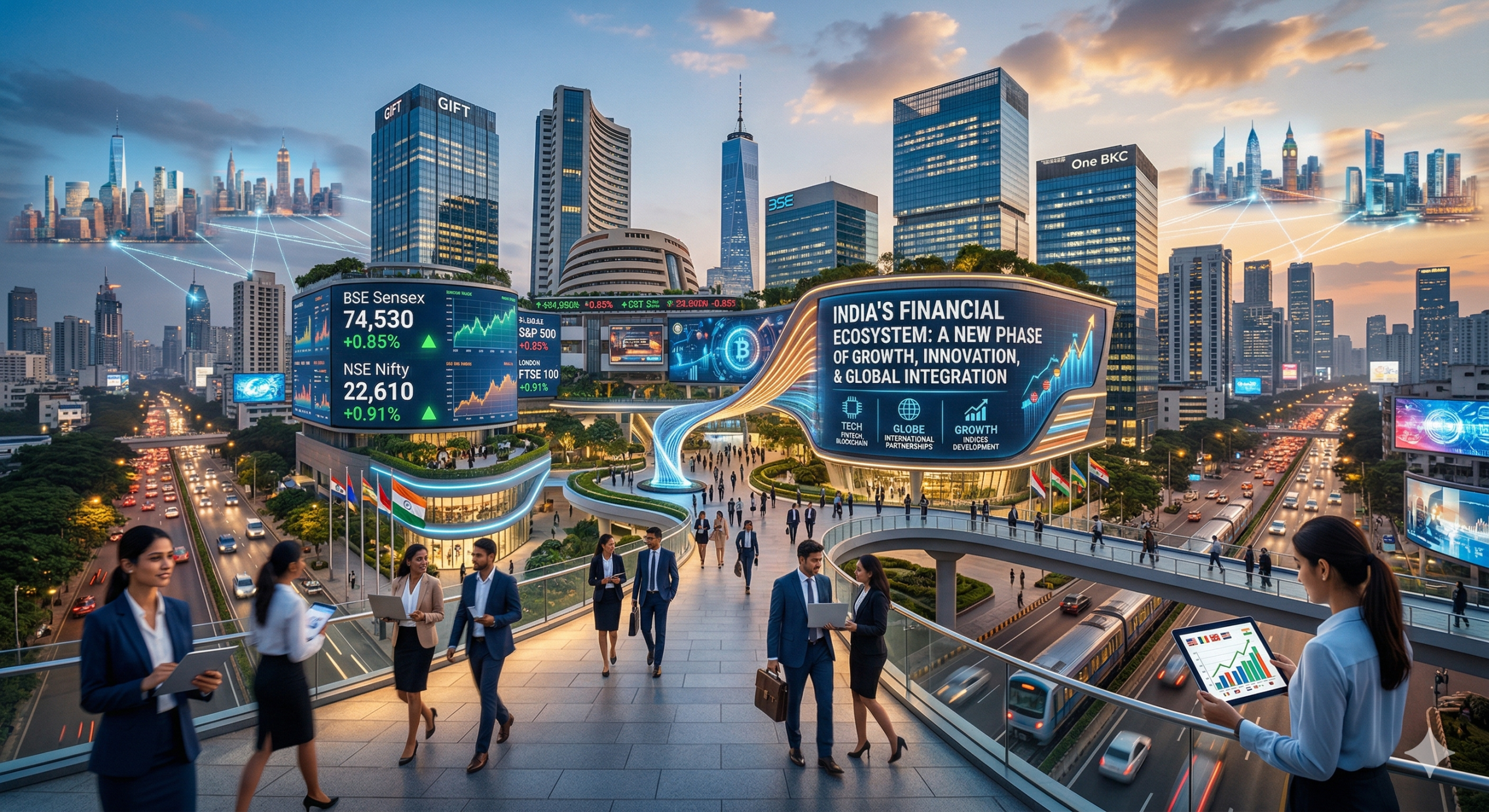
India’s business and financial landscape is undergoing a major transformation, driven by rapid technological advancements, policy reforms, and a strong push toward economic expansion. Over the past few years, the country has positioned itself as one of the fastest-growing major economies in the world. This shift is not only attracting global attention but also creating new opportunities for entrepreneurs, investors, and consumers alike.
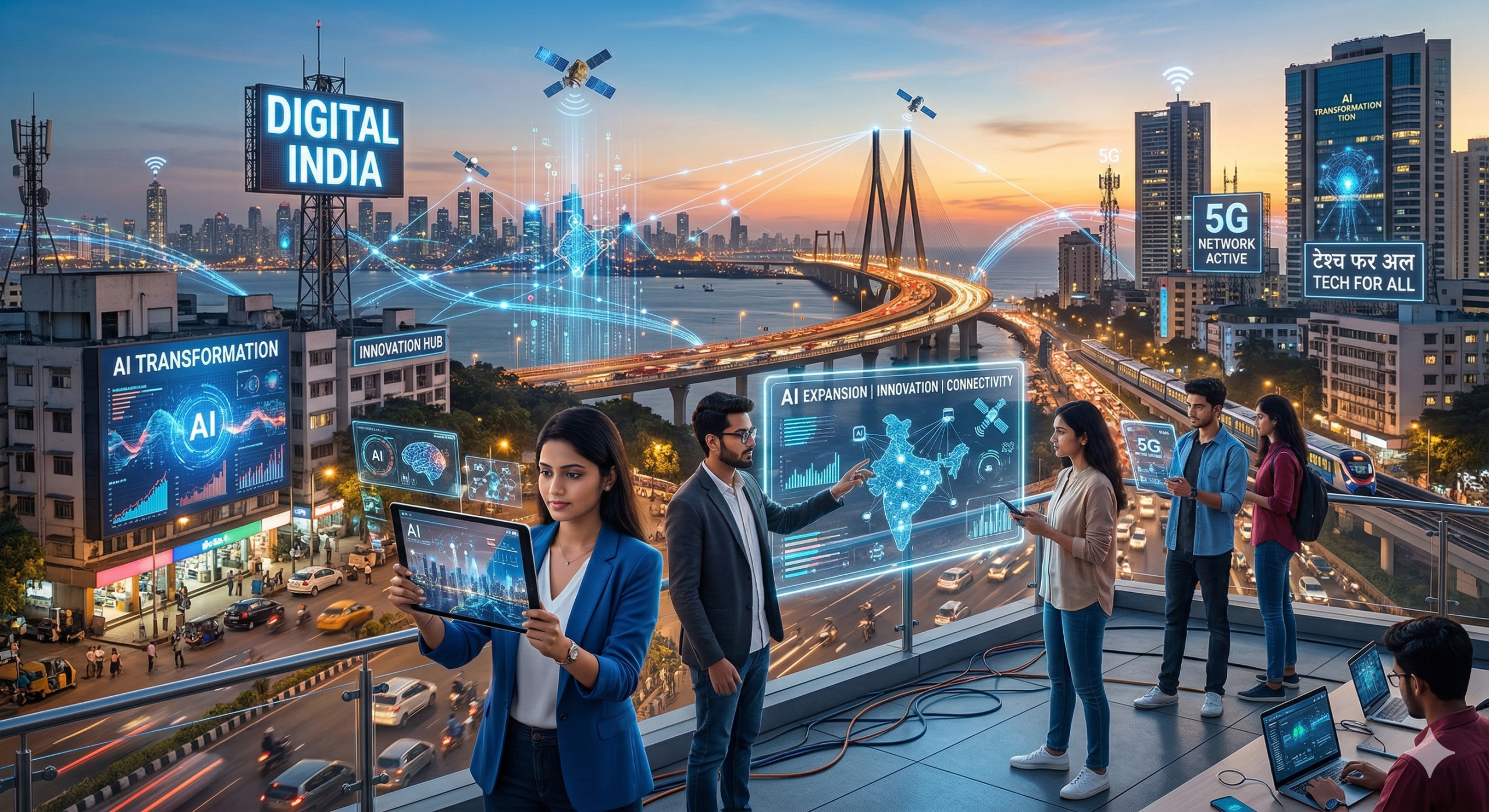
One of the most defining features of the current environment is the rise of digital transformation across industries. Businesses are increasingly adopting technology to streamline operations, enhance customer experience, and improve efficiency. From small startups to large corporations, the use of artificial intelligence, data analytics, and automation tools has become more common. This shift is helping companies make better decisions, reduce costs, and stay competitive in an ever-evolving market.
The startup ecosystem in India has witnessed remarkable growth. With the support of government initiatives, venture capital funding, and a growing pool of skilled professionals, new businesses are emerging in sectors such as fintech, e-commerce, health technology, and education technology. These startups are not only creating jobs but also addressing real-world problems with innovative solutions. The entrepreneurial spirit is stronger than ever, and it is playing a key role in shaping the future of the economy.
Financial inclusion has also gained significant momentum. Efforts to bring more people into the formal financial system have led to increased access to banking services, digital payments, and credit facilities. This has been particularly beneficial for individuals in rural and semi-urban areas, where traditional banking infrastructure was previously limited. With the expansion of mobile banking and digital wallets, people can now perform transactions quickly and securely, contributing to overall economic activity.
Another important trend is the growth of the digital payments ecosystem. Consumers are increasingly shifting away from cash-based transactions and embracing online payment methods. This change has been accelerated by the convenience and security offered by digital platforms. Businesses, both large and small, are adapting to this trend by offering multiple payment options to customers. As a result, the overall transaction volume in the digital space continues to rise steadily.
The manufacturing sector is also experiencing a revival. With a focus on boosting domestic production and reducing dependency on imports, various initiatives have been introduced to support local industries. These efforts aim to create a robust manufacturing base that can compete globally. Infrastructure development, improved logistics, and policy support are contributing to the growth of this sector, making it an important pillar of economic progress.
Foreign investment continues to play a crucial role in the country’s financial growth. Global investors are showing increased interest in the Indian market due to its growth potential, large consumer base, and improving ease of doing business. Investments in sectors such as technology, renewable energy, and infrastructure are helping to drive development and create new opportunities. At the same time, maintaining a stable and transparent regulatory environment is essential to sustain investor confidence.
The banking sector is evolving to meet the changing needs of customers and businesses. Traditional banks are adopting digital solutions to enhance their services, while new-age financial institutions are entering the market with innovative offerings. The focus is on providing seamless, user-friendly experiences that cater to a wide range of financial needs. This competition is ultimately benefiting consumers by giving them more choices and better services.
In addition to banking, the capital markets are gaining traction among retail investors. More individuals are participating in stock markets and mutual funds, driven by increased awareness and easy access to trading platforms. This trend reflects a growing interest in wealth creation and financial planning. However, it also highlights the importance of financial literacy, as informed decision-making is crucial to managing risks and achieving long-term goals.
Small and medium enterprises (SMEs) remain a vital component of the economy. These businesses contribute significantly to employment and economic output. Efforts to support SMEs through access to credit, simplified regulations, and digital tools are helping them grow and compete more effectively. Strengthening this segment is essential for ensuring balanced and inclusive development.
The role of sustainability in business practices is becoming increasingly important. Companies are recognizing the need to adopt environmentally responsible approaches, not only to comply with regulations but also to meet consumer expectations. Initiatives related to renewable energy, waste management, and sustainable sourcing are gaining prominence. This shift toward responsible business practices is expected to have a positive impact on both the environment and long-term profitability.
Global economic conditions also influence domestic financial trends. Changes in international markets, trade policies, and geopolitical developments can have a direct impact on business operations and investment decisions. Navigating these challenges requires a strategic approach and the ability to adapt to changing circumstances. Building resilience is key to sustaining growth in an uncertain global environment.
The real estate sector is another area witnessing gradual recovery and growth. With increased demand for housing, commercial spaces, and infrastructure projects, the sector is regaining momentum. Government initiatives aimed at boosting affordable housing and improving urban development are contributing to this positive trend. As the economy continues to expand, the demand for real estate is expected to grow further.
Consumer behavior is also evolving, driven by changing lifestyles and increased access to information. People are more conscious of their spending habits and are seeking value for money. This shift is influencing how businesses design their products and services. Companies are focusing on personalization, quality, and customer engagement to build strong relationships with their audience.
The insurance sector is expanding as awareness about risk management and financial security increases. More individuals and businesses are recognizing the importance of insurance coverage in safeguarding their assets and future. The introduction of digital platforms has made it easier to purchase and manage insurance policies, contributing to the sector’s growth.
Education and skill development play a critical role in supporting the business ecosystem. As industries evolve, there is a growing need for a workforce equipped with relevant skills. Training programs, online courses, and industry partnerships are helping bridge the gap between education and employment. Investing in human capital is essential for sustaining economic growth and innovation.
Despite the positive developments, challenges remain. Issues such as inflation, unemployment, and income disparity need to be addressed to ensure inclusive growth. Policymakers, businesses, and stakeholders must work together to find effective solutions. Continuous monitoring, timely interventions, and strategic planning are required to overcome these challenges and maintain stability.
Looking ahead, the future of India’s business and financial ecosystem appears promising. The combination of technological innovation, supportive policies, and a dynamic workforce creates a strong foundation for growth. As the country continues to integrate with the global economy, it has the potential to become a major hub for investment, innovation, and entrepreneurship.
In conclusion, the current phase of economic development reflects a shift toward modernization, inclusivity, and resilience. Businesses are adapting to new realities, financial systems are becoming more accessible, and consumers are playing an active role in shaping the market. While challenges persist, the overall outlook remains positive. With sustained efforts and a forward-looking approach, India is well-positioned to achieve long-term growth and establish itself as a key player in the global economic landscape.