
 admin
admin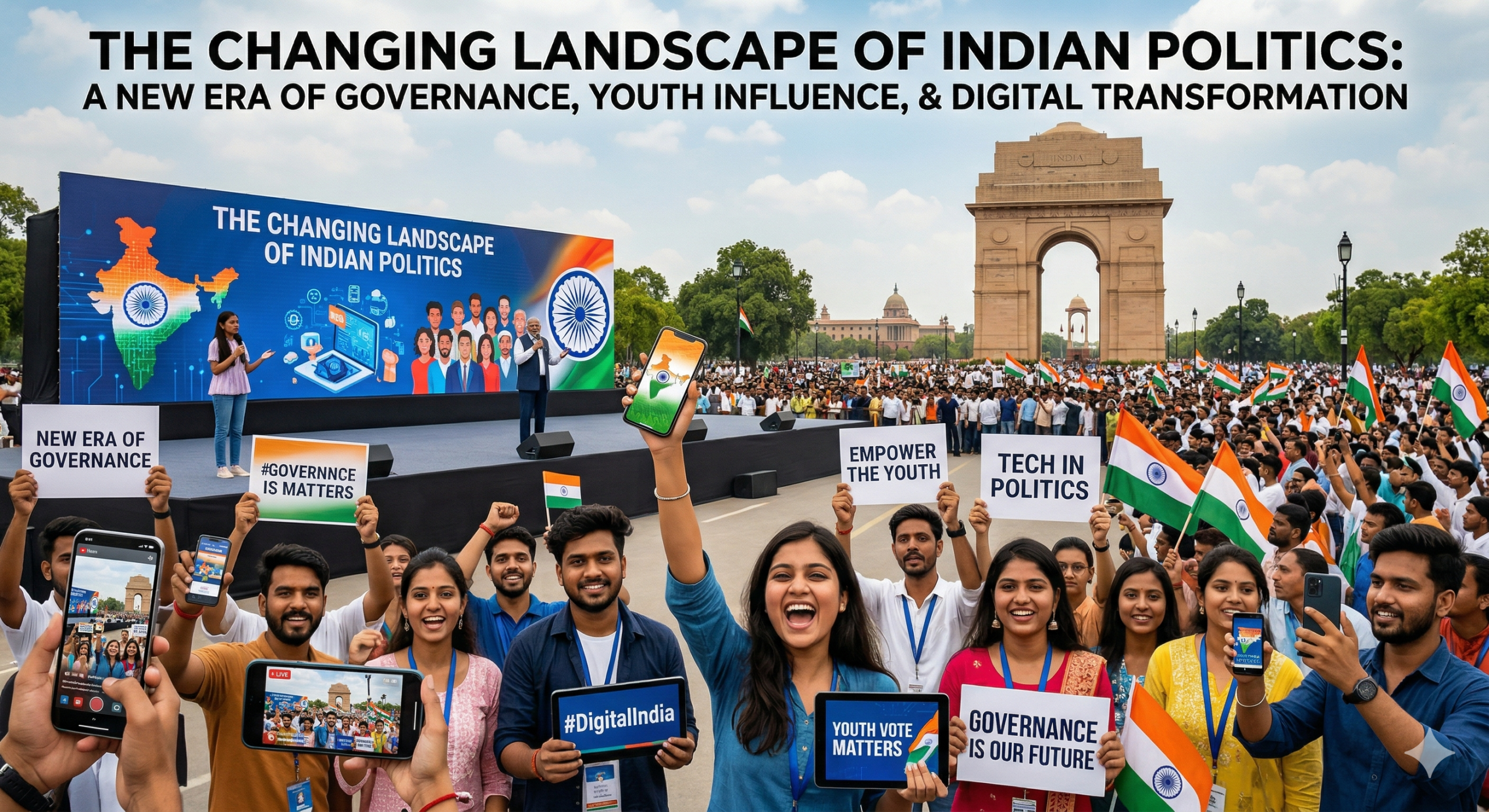
India’s political environment has always been dynamic, shaped by its diversity, democratic values, and evolving public expectations. In recent years, a noticeable shift has taken place in how governance is approached, how leaders connect with citizens, and how the electorate responds to policy decisions. This transformation reflects not just the growth of the nation but also the rising awareness and participation of its people.
One of the most significant changes in recent times is the increasing role of young voters. With a large portion of the population falling under the age of 35, their voice is becoming more powerful than ever before. This group is not only more informed but also more vocal about issues that directly impact their lives, such as employment opportunities, education quality, digital access, and environmental concerns. Unlike previous generations, today’s youth actively seek transparency and accountability from those in power. Their expectations are reshaping campaign strategies and forcing leaders to adopt a more responsive and inclusive approach.
Another important development is the growing influence of digital platforms in shaping public opinion. Social media has become a powerful tool for communication, allowing leaders to reach millions instantly. It has also given citizens a platform to express their views, raise concerns, and engage in discussions. This two-way interaction has reduced the gap between the public and decision-makers, making governance more participatory. However, it also comes with challenges, such as the spread of misinformation and the need for responsible communication. Ensuring the authenticity of information has become a critical task for both authorities and citizens.
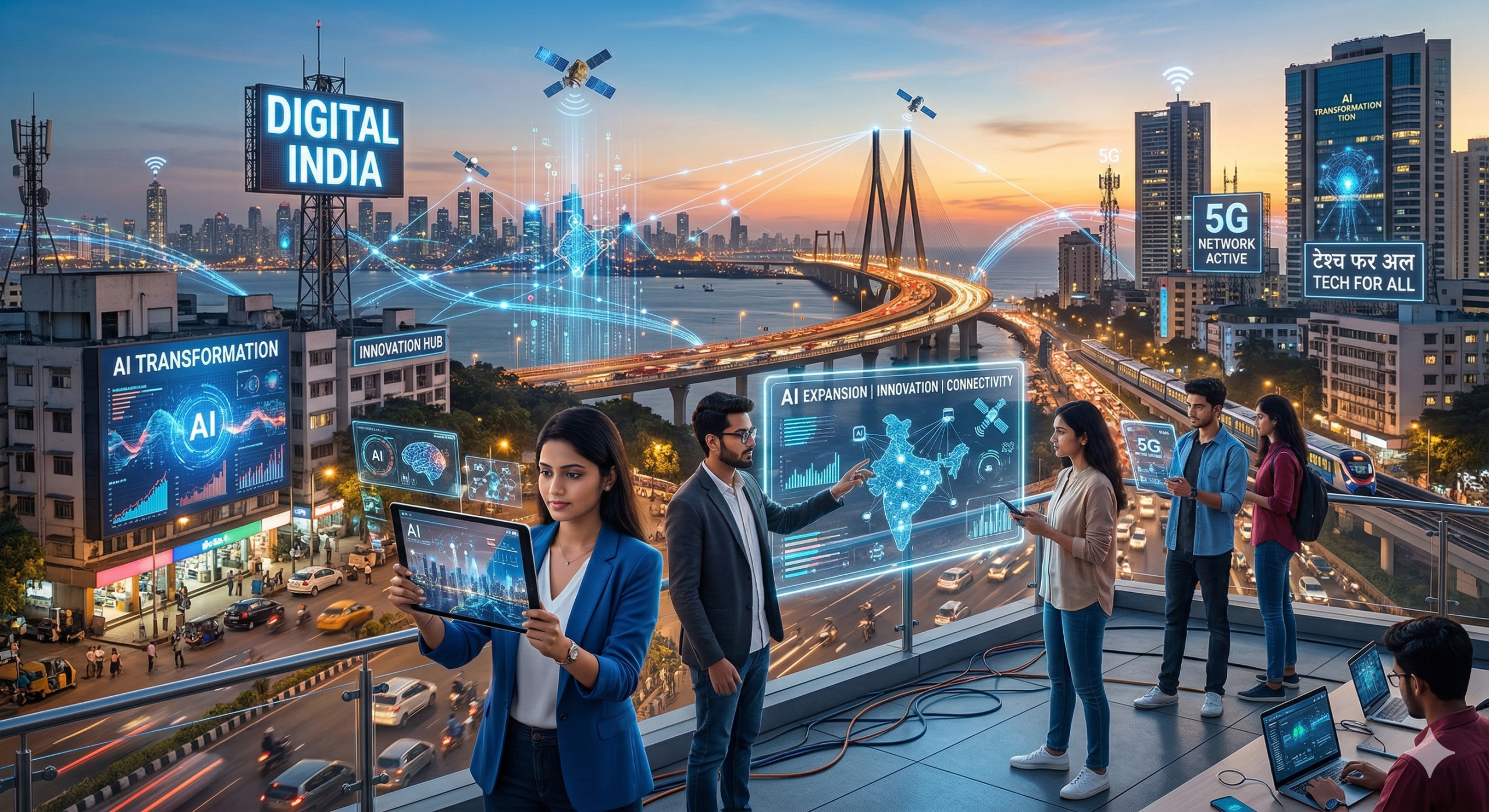
Governance itself is undergoing a transformation. There is a stronger emphasis on efficiency, transparency, and service delivery. Digital initiatives have simplified processes that were once time-consuming, making public services more accessible. From online documentation to digital payment systems, the focus is on reducing bureaucracy and improving citizen experience. This shift is particularly beneficial for rural and semi-urban areas, where access to resources has historically been limited. By leveraging technology, authorities aim to bridge the gap between urban and rural development.
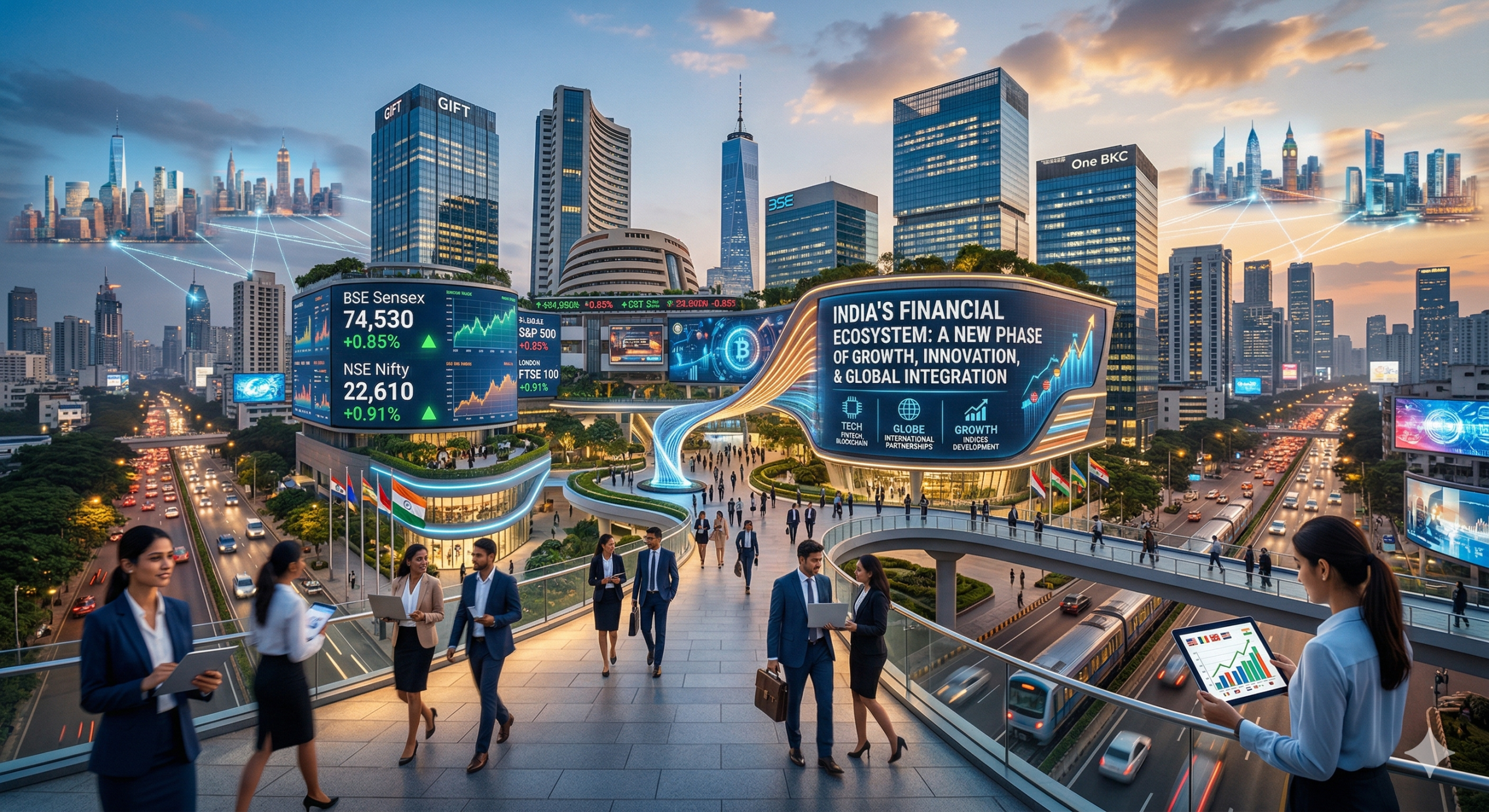
Economic factors continue to play a crucial role in shaping the political narrative. Policies related to taxation, infrastructure development, and investment opportunities directly impact the lives of citizens. In recent years, there has been a strong focus on boosting domestic manufacturing, encouraging entrepreneurship, and improving ease of doing business. These efforts are aimed at creating jobs and strengthening the country’s position in the global market. At the same time, there is an increasing need to address income inequality and ensure that growth benefits all sections of society.
Social issues also remain at the forefront of discussions. Topics such as education reform, healthcare accessibility, gender equality, and social justice are gaining attention. Citizens are demanding concrete actions rather than promises, pushing leaders to focus on long-term solutions. Initiatives aimed at improving literacy rates, expanding healthcare facilities, and empowering marginalized communities are seen as essential steps toward inclusive development. The challenge lies in implementing these policies effectively and ensuring that they reach those who need them the most.
Coalition dynamics and regional influences are another key aspect of the current political scenario. India’s diversity means that regional interests often play a significant role in decision-making. Political alliances are formed based on shared goals and strategic considerations, which can sometimes lead to complex power equations. These alliances influence policy direction and governance style, highlighting the importance of cooperation and negotiation in a democratic setup.
The role of media in shaping public perception cannot be overlooked. Traditional media outlets, along with digital platforms, play a crucial role in informing citizens about developments and holding authorities accountable. However, maintaining credibility and neutrality is essential to ensure that the information presented is accurate and unbiased. The responsibility lies not only with media organizations but also with consumers, who must critically evaluate the content they consume.
Another emerging trend is the focus on sustainable development. Environmental concerns such as air pollution, water scarcity, and climate change are becoming increasingly important. Citizens are more aware of these issues and expect leaders to take meaningful action. Policies aimed at promoting renewable energy, reducing emissions, and conserving natural resources are gaining prominence. Balancing economic growth with environmental sustainability is a challenge that requires careful planning and execution.
Public participation in governance is also evolving. People are no longer passive observers; they actively engage in discussions, provide feedback, and demand accountability. Various platforms have been introduced to encourage citizen involvement, allowing individuals to share their opinions and contribute to decision-making processes. This participatory approach strengthens democracy and ensures that policies reflect the needs and aspirations of the population.
The electoral process itself has seen improvements in terms of transparency and efficiency. Technological advancements have streamlined voting procedures, making them more secure and accessible. Efforts to increase voter awareness and participation have led to higher turnout in many regions. This indicates a growing sense of responsibility among citizens and a commitment to shaping the future of the nation.
Leadership styles are also changing. There is a greater emphasis on communication, relatability, and problem-solving. Leaders are expected to be approachable and responsive, addressing concerns in a timely manner. This shift reflects the changing expectations of the electorate, who value authenticity and results over rhetoric. Building trust has become a key factor in gaining public support.
At the same time, challenges remain. Issues such as unemployment, inflation, and infrastructure gaps continue to affect large sections of the population. Addressing these challenges requires coordinated efforts, effective policies, and efficient implementation. It also requires collaboration between different levels of government, private sector participation, and community involvement.
Global influences are another factor shaping the political landscape. International relations, trade agreements, and geopolitical developments have a direct impact on domestic policies. Maintaining a balanced approach while protecting national interests is crucial in an increasingly interconnected world. Diplomatic efforts play a significant role in ensuring stability and fostering economic growth.
Education and awareness are key to sustaining a strong democracy. An informed electorate is better equipped to make decisions and hold leaders accountable. Efforts to improve literacy and promote civic education are essential in this regard. Encouraging critical thinking and informed discussions can lead to more constructive engagement and better outcomes.
Looking ahead, the future of Indian politics appears to be driven by innovation, inclusivity, and accountability. The integration of technology, the rise of young leaders, and the increasing participation of citizens are likely to shape the direction of governance. While challenges remain, the evolving landscape presents opportunities for growth and progress.
In conclusion, the political environment in India is undergoing a significant transformation. The focus is shifting toward transparency, efficiency, and citizen engagement. With the active participation of the youth, the use of digital tools, and a commitment to inclusive development, the nation is moving toward a more responsive and dynamic system of governance. The journey ahead will require continuous effort, adaptability, and collaboration, but it also holds the promise of a stronger and more resilient democracy.